Sophie Bland at BATA Group: Journey to Group Financial Controller
From audit to industry leadership, Sophie Bland shares the career moves, lessons and experiences that led her to become Group Financial Controller at BATA Group, along with practical advice for finance professionals looking to progress.
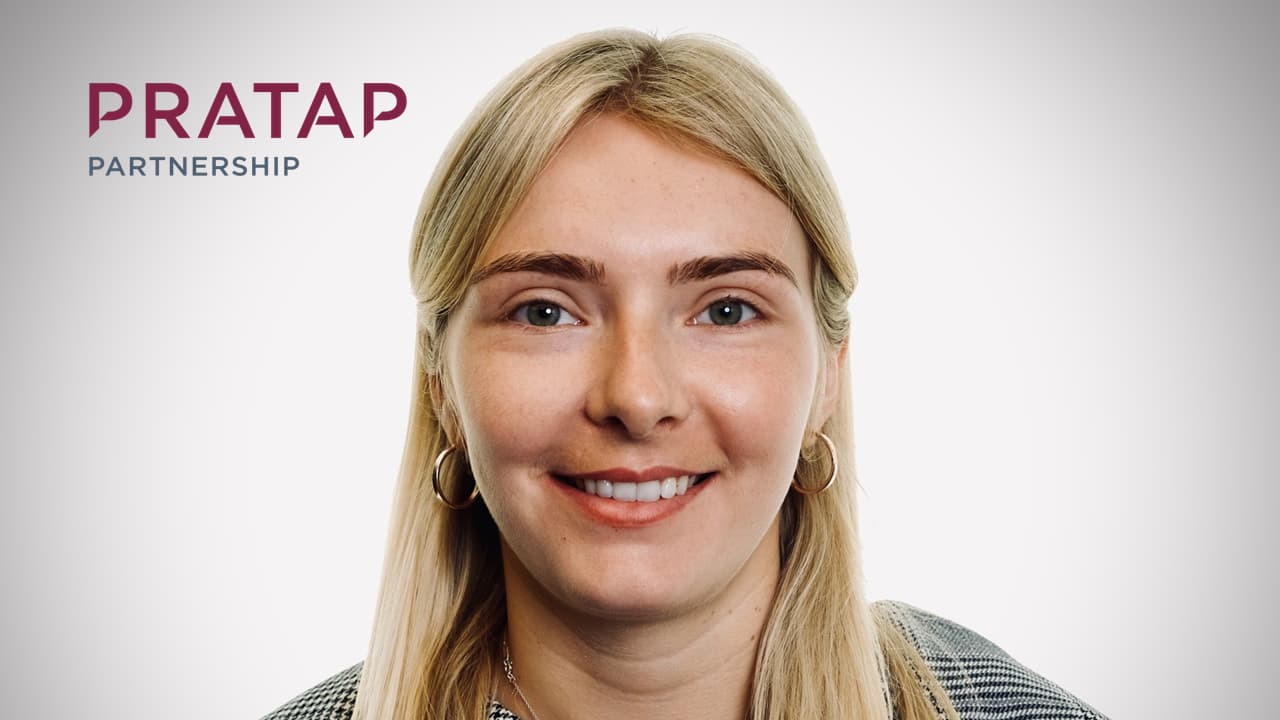
Sophie Bland at BATA Group: Journey to Group Financial Controller
From audit to industry leadership, Sophie Bland shares the career moves, lessons and experiences that led her to become Group Financial Controller at BATA Group, along with practical advice for finance professionals looking to progress.
Building a successful career in finance is rarely a straight line. From developing technical expertise in practice to stepping into commercial leadership roles, every career move shapes the professional you become.
In this edition of our career journey series, Sophie Bland, Group Financial Controller at BATA Group, shares how her experience in audit, her transition into industry and her commitment to continuous development helped her progress into senior finance leadership. She discusses the decisions that accelerated her career, the realities of leading a finance function, and the advice she would offer to aspiring Financial Controllers.
What originally drew you into finance, and when did you first set your sights on becoming a Financial Controller?
I gravitated towards accounting early on, having grown up around friends and family who'd built successful careers in it. But it was once I got properly into finance that the interest stuck - I loved the analytical side, the structure, and understanding what actually drives commercial performance.
Talk me through your career journey to date - what were the key moves or decisions that got you here?
I studied Accounting & Finance at Durham, which led to an internship at Deloitte and then a graduate role at RSM in audit. After qualifying as a Chartered Accountant (ACA), I continued in audit working on a number of significant listed clients, including Greggs PLC and GXO Logistics PLC. That experience gave me a really strong technical foundation, exposure to large-scale businesses and an understanding of strong financial controls and reporting environments.
After several years in practice, I made the move into industry to get closer to the commercial side of the business, joining LNT Group as a Finance Manager. It was a huge learning curve in the best possible way.
I was heavily involved in monthly reporting, cashflow forecasting, private equity exposure, involved in large transactions and helping build out the finance team. It gave me far broader operational and commercial exposure and really accelerated my development.
Two fast-paced years later, I took the step up to Group Financial Controller at BATA, an agricultural farmers' co-operative — a role that lets me combine my technical background with leadership and strategic finance across the group.
Was there a specific role or moment that accelerated your progression into an FC position?
My time at LNT Group was the biggest factor. It was fast-paced and exposed me to a huge range of responsibilities in a short space of time - reporting, forecasting, transactions, team-building. It also taught me that as you progress, success is less about what you can deliver yourself and much more about building a strong team around you.
Looking back, what would you do differently in your early career?
Honestly, not much - every experience has shaped where I am now. If I reflect on anything, it's the decision to go to university. It was the traditional route at the time, but looking at apprenticeship pathways today, there's real value in gaining immediate business exposure while learning the theory in a practical environment from day one.
What qualification did you choose and why?
I chose ACA because I felt it was a globally recognised, highly respected qualification, and a natural fit coming from audit. Balancing study with full-time work wasn't easy, but it was absolutely worth it. Beyond the technical knowledge, it built resilience, discipline and time management that have stayed with me throughout my career.
How did you make the transition from doing the work to owning and leading it?
Earlier in my career I was very hands on and ultimately in control of exactly how and when things were completed. Moving into leadership meant a real mindset shift - less about personally delivering every task, more about enabling the team to succeed through clear direction and support. The biggest adjustment was learning to delegate and trust the team while still owning the overall outcome. Strong leadership in finance isn't about doing everything yourself - it's about building a capable team and developing people.
What does the reality of the FC role look like vs what you expected going into it?
The variety has surprised me most - no two days are the same. I expected the role to be heavily technical, and while that's still core, there's a much bigger strategic and commercial dimension than I anticipated: supporting decision-making, managing stakeholders, shaping direction. I especially enjoy being part of conversations that genuinely influence the business's future, not just reporting on the past. There's also more emphasis than I expected on translating numbers into a clear story for the Board and non-finance stakeholders - using finance to support better decisions across the business.
What advice would you give to someone currently part-qualified or newly qualified who wants to reach FC level?
Keep going - it's worth it. Balancing work, exams and life is hard, but qualifying opens real doors and gives you a strong foundation. Set clear goals, even ambitious ones - having direction makes it easier to prioritise the right opportunities. Progression in finance rarely happens by accident; it comes from being intentional about gaining experience and putting yourself forward for the responsibility that gets you where you want to go.