Matt Davies at BPI Asset Disposal Solutions: Journey to Financial Controller
Matt Davies shares his journey from starting out in audit at RSM to becoming Financial Controller at BPI. He reflects on the key career decisions, challenges, and skills that helped shape his progression through finance.
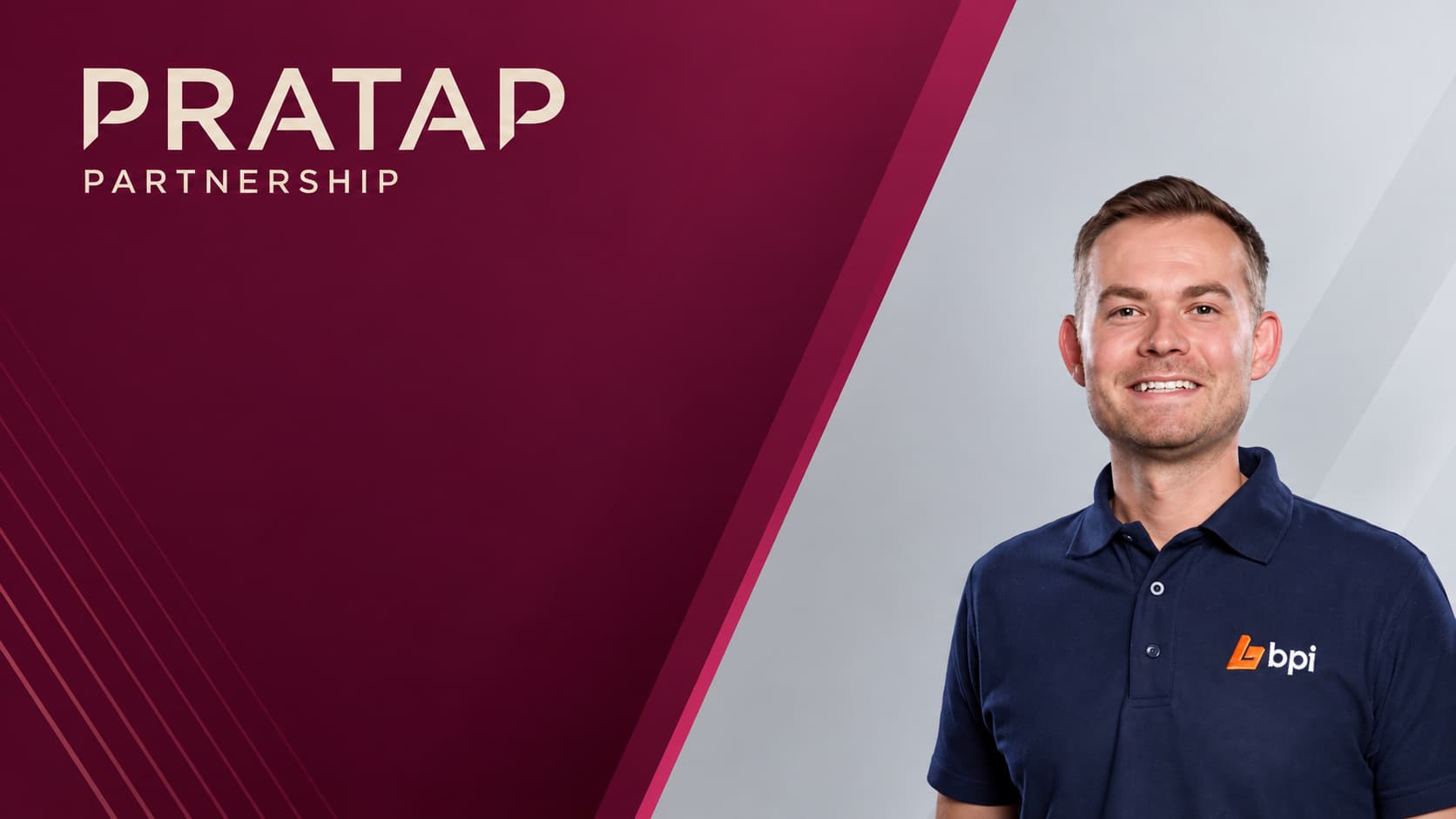
Matt Davies at BPI Asset Disposal Solutions: Journey to Financial Controller
Matt Davies shares his journey from starting out in audit at RSM to becoming Financial Controller at BPI. He reflects on the key career decisions, challenges, and skills that helped shape his progression through finance.
In this interview, Matt Davies discusses his journey to becoming Financial Controller at BPI Asset Disposal Solutions, sharing the key experiences, challenges, and skills that have shaped his career in finance so far.
What originally drew you into finance, and when did you first set your sights on becoming a Financial Controller?
I was first drawn into finance through my dad, who is a Chartered Accountant, so it was always something I was naturally exposed to and inspired by growing up.
As my career progressed, particularly moving into industry, I became more interested in how finance supports decision making within a business. That’s when I started to see the Financial Controller role as a key step, given its mix of technical responsibility and wider business exposure, and a natural milestone towards becoming a Finance Director.
Talk me through your career journey to date - what were the key moves or decisions that got you here?
I started my career in audit with RSM in Leeds, where I gained a strong technical foundation working across a range of industries. I also had early exposure to managing small teams and supporting junior staff, which I really valued.
After qualifying, I moved into industry with Vp plc as Group Financial Accountant. That role gave me experience in a listed environment, including group reporting, tight deadlines, and working with large data sets.
I also got involved in wider areas such as audit ownership, forecasting improvements, system changes, and some acquisition integration work, which helped broaden my experience beyond core reporting.
I’m now Financial Controller at BPI Auctions, where I lead the finance function. My focus is on delivering accurate reporting, improving processes, and supporting the business with clear financial insight.
Was there a specific role or moment that accelerated your progression into an FC position?
My time at Vp plc was the biggest step change. It gave me exposure to a more complex reporting environment and helped develop both my technical ability and confidence.
Taking ownership of key areas of reporting and audit coordination gave me the experience and responsibility that prepared me for moving into a Financial Controller role.
What’s one setback or failure you’ve experienced, and what did you take from it?
Failing a couple of my early ACA exams was difficult at the time.
However, looking back, it was a useful learning experience. It made me more resilient, disciplined with my time and more focused in my approach, and it reinforced the importance of consistent effort over time to achieve results.
Looking back, what would you do differently in your early career?
I would have asked more questions earlier on.
When you’re starting out, it’s easy to focus on just getting the task done, but understanding the wider context helps you develop much faster.
What qualification did you choose and why?
I chose the ACA because of its strong reputation and the solid technical foundation it provides.
It’s also well respected across both practice and industry, which was important to me when deciding on my career path.
What technical skills have been most important in getting you to FC level?
Financial reporting and controls have been the most important, developed through both audit and industry experience in a listed environment.
I’ve also focused on continuing to develop practically, particularly around data and automation. I’m currently completing a Power BI course to improve reporting efficiency.
Beyond the technical side, what soft skills have made the biggest difference?
Communication and people skills have probably made the biggest difference. A lot of the role is about working with different stakeholders and being able to explain financial information clearly.
Being organised, reliable, and adaptable has also been important, especially when balancing reporting deadlines with wider improvements.
How did you make the transition from doing the work to owning and leading it?
It started with understanding the detail properly and being comfortable working hands-on.
Once that foundation was there, I was able to step back, delegate more effectively, and focus more on review, improvement, and supporting the team.
What does the reality of the FC role look like vs what you expected going into it?
It’s broadly what I expected - hands-on, varied, and quite fast paced.
What I’ve particularly enjoyed is the ability to improve how things are done, rather than just reporting on them, and seeing those changes make a difference across the business.
What advice would you give to someone currently part-qualified or newly qualified who wants to reach FC level?
Be proactive and look for opportunities to get involved in different areas of finance.
The more exposure you get early on, the quicker you build confidence and the broader your skillset becomes.